
Despite the City of Austin's goal of having a park within a 10-minute walk of every resident, there’s a stark difference between the trails and outdoor space enjoyed by wealthy residents and the unmarked lots in under-resourced neighborhoods. This divide became tragically clear during the pandemic, when East and South Side residents faced higher COVID-19 death rates and lacked local outdoor infrastructure for safe social distancing and community building.
To tackle this persistent issue, Central Texas Interfaith (CTI) launched a city-wide listening campaign in 2022. This was part of the first national funding initiative in the U.S. dedicated to supporting community-based power-building to reverse green space inequities.
“While Austin is a green city with many options, we heard that lots of people couldn’t always get to bigger parks — and didn’t always feel like those spaces were really intended for them anyway,”
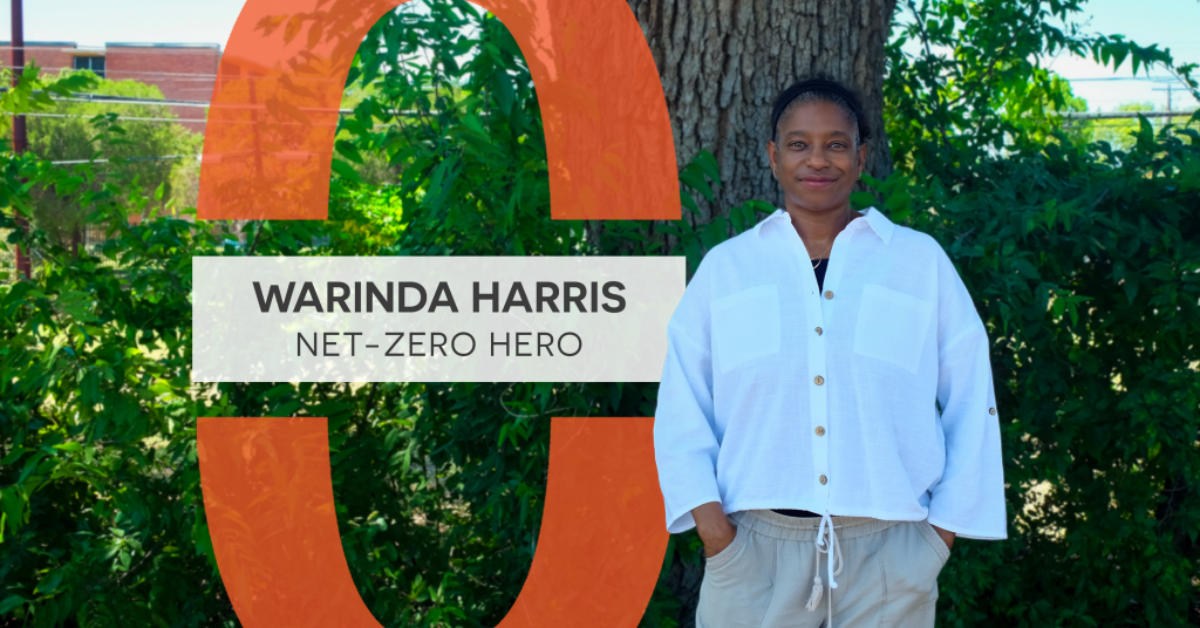
said CTI Organizer Warinda Harris.
At house meetings led by CTI student leaders at HBCU Huston-Tillotson University, sudents shared that while they felt safe on campus, they immediately felt they were seen as a threat the moment they stepped outside the gates. According to Harris, “They yearned for a space outside, where they could just sit under a tree to do their calculus homework — or nothing at all — and be comfortable in their own skin without someone treating them as a potential criminal. They wanted to be out in nature and not in danger.”
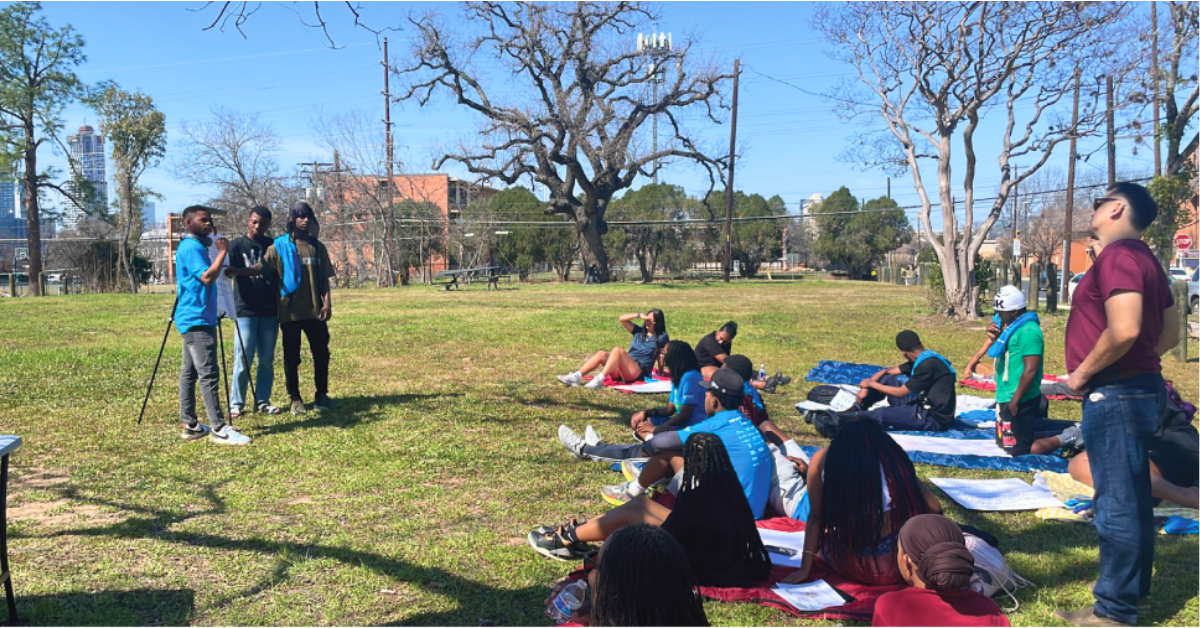
The leaders then discovered an empty, city-owned parcel of land across the street from Huston-Tillotson. They developed relationships with nearby residents and successfully secured a grant with Austin Parks and Recreation to transform the space into a park that meets the needs of both the students and their neighbors.
Now, Huston-Tillotson professors are developing a curriculum focused on student experiential learning and involving nearby residents in the park’s long-term development and future programming—a key reason the City of Austin recently spotlighted Harris as a “Net-Zero Hero.”
[Photo credit: City of Austin Climate Action and Resilience Department]
Net-Zero Hero: Warinda Harris, Sustainable Austin Blog [pdf]